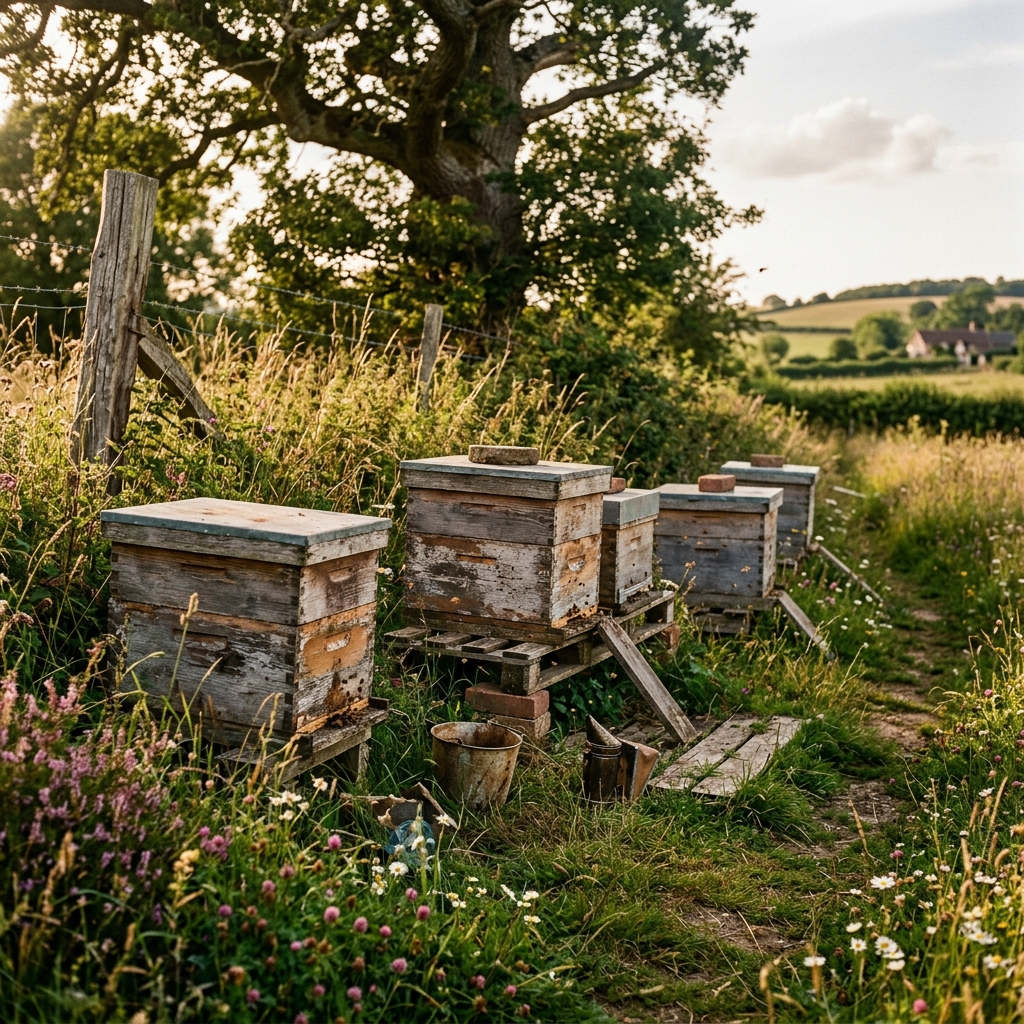
Trying to learn hands-on beekeeping skills on your main production hive is harder than it needs to be. Heavy boxes, tens of thousands of bees, and a queen you don't want to risk losing all make it tempting to rush through an inspection instead of actually studying what's in front of you.
A learning box, a small hive built specifically for practice, solves that. This guide covers why a small hive teaches better than a big one, what to actually practice in it, and how to get one started.
Why a Small Hive Teaches Better Than a Big One
Finding a queen among a few thousand bees on four or five frames is a genuinely different task than finding her among tens of thousands on thirty. A learning box gives you a realistic, low-stakes place to build that skill before you need it under pressure on a hive that matters more.
The equipment is lighter too, which matters more than people expect, especially on a hot day when pulling full-depth boxes off a tall hive gets exhausting fast. A lighter box makes it easier to actually spend time studying frames instead of rushing to get the job done and close things back up.
Skills Worth Practicing in a Learning Box
A small hive is a good place to build real comfort with finding the queen, since you're scanning a fraction of the bees you'd face in a full-size colony. It's also a low-risk spot to practice marking a queen, since a mistake here doesn't put your main honey production at risk.
If you're interested in queen introduction techniques like a push-in frame cage, or even grafting practice, a learning box gives you room to try these without the pressure of experimenting on a hive you're counting on. Reading brood age by egg angle is another skill worth building here, and that specific technique is covered in more depth in a separate post on recognizing supersedure.
Starting One From an Existing Hive
The simplest way to start a learning box is to pull a frame or two, ideally with some capped brood and food stores, from a strong existing hive and place them in a small box on their own. Give the new colony a few weeks to settle and build up before treating it as a fully established hive.
I like to check in on a new learning box every week or two at first, mostly just to watch how it's progressing. It's a good way to build the habit of regular inspection without the time pressure of a full-size colony hanging over you.
A Learning Box Can Double as a Resource Hive
Once established, the same small hive can also serve as a source of frames if another colony starts struggling, donating a frame of capped brood or even a spare queen when needed. That's a genuinely different use case with its own considerations, covered in more detail in a separate post on rescuing a failing hive.
A Couple of Practical Notes
Bees in a small hive often feel calmer to work than bees in a large one, though it's hard to say for certain whether that's a real behavioral difference or just easier to perceive with fewer bees around. Either way, it makes for a more pleasant learning environment.
For feeding a new learning box that's still small, a simple feeder jar that screws onto the top works well, and can be swapped out for a solid cover once the colony is established and doesn't need supplemental feeding anymore.
Frequently Asked Questions
What is a learning box in beekeeping?
A learning box is a small hive, usually four to five frames, set up specifically for practicing beekeeping skills in a lower-stakes setting than a full-size production hive.
Is it easier to find the queen in a small hive?
Yes, generally. Scanning four or five frames for the queen is a much more manageable task than scanning thirty, which makes a learning box a good place to build that skill before relying on it in a bigger colony.
Can I use a learning box to help another struggling hive later?
Yes. Once it's established, a learning box can function as a resource hive, providing frames of bees, brood, or even a queen if another colony needs support. See the dedicated guide on rescuing a failing hive for the full technique.
What frames should I start a learning box with?
A frame or two with some capped brood and food stores from an existing strong hive works well as a starting point. Give it a few weeks to settle before treating it as fully established.
Are bees in a small hive really calmer, or does it just feel that way?
It's genuinely hard to say for certain. Many beekeepers report that small hives feel calmer to work, but that could reflect the smaller number of bees involved rather than a true behavioral difference.